What is on a soccer tournament weekend checklist?
Start with the gear that decides whether your player takes the field, then add water, food, shade, a schedule you can read offline, and a hotel plan. The tables below cover all of it. Print them, tape them inside the trunk, and check them off the night before.
One item is not negotiable. Under Law 4 of the Laws of the Game, shin guards are compulsory, along with a jersey, shorts, socks and "appropriate footwear suited to local conditions and surface type." The shin guards have to be made of suitable material, give a reasonable degree of protection, and be "covered entirely by the socks." A player without them does not get to play, and a referee at game three will not care that they are in the hotel room.
What gear does my player need for every game?
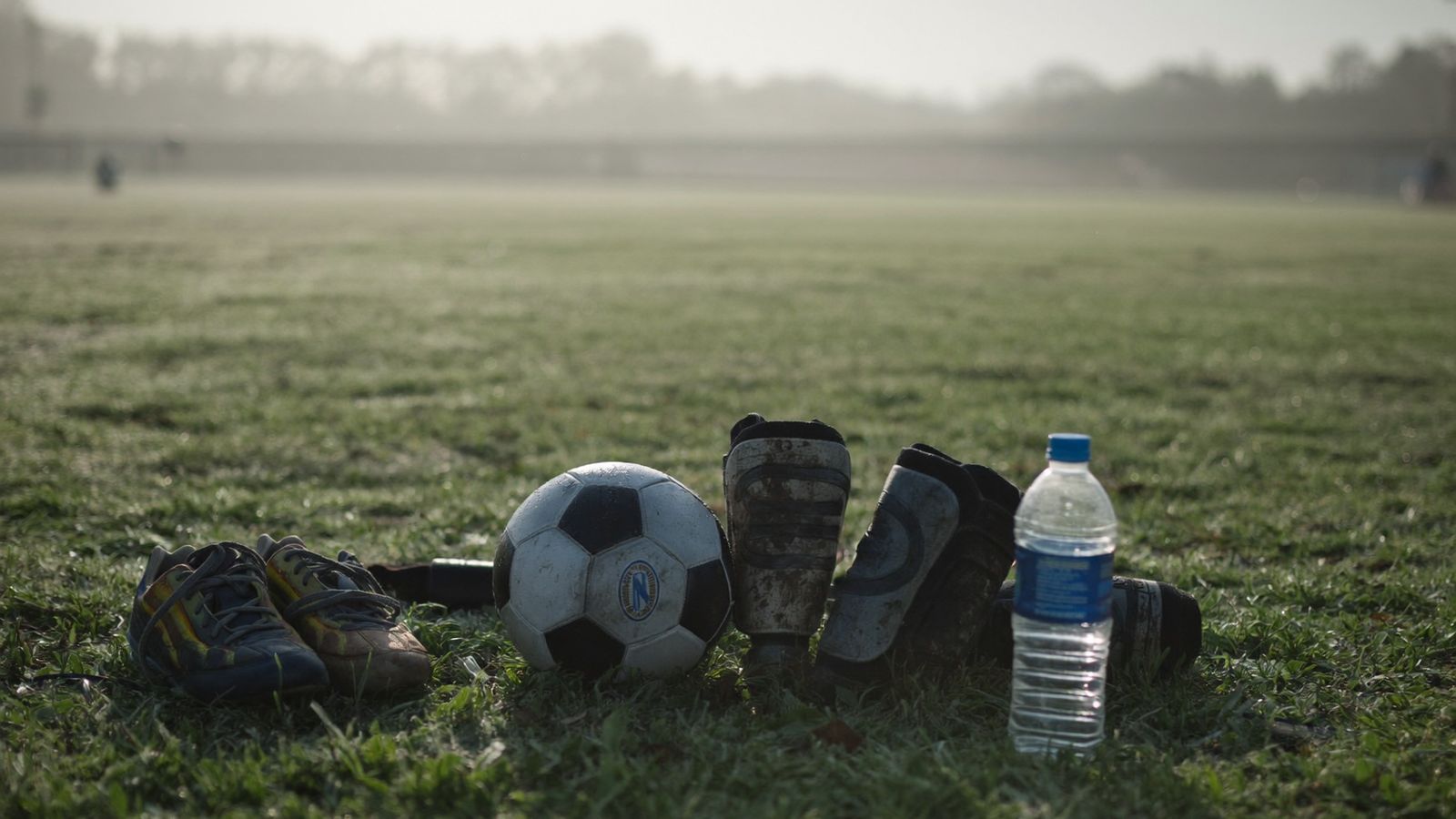
Here is what the Laws of the Game list, plus the extras most families end up wishing they had. The required items come from the rules. The rest are practical suggestions, and we say so.
| Item | Why | Source |
|---|---|---|
| Shin guards | Compulsory, covered entirely by socks | Laws of the Game |
| Jersey and shorts, home and away | Teams usually carry both. Confirm with the manager | Practical |
| Socks, extra pair | Wet socks are miserable by game three | Practical |
| Cleats that suit the surface | Law 4 requires footwear "suited to local conditions and surface type" | Laws of the Game |
| Second pair of shoes or slides | For between games | Practical |
| Water bottle, labeled | Refill between every game | Practical |
| Ball | Many teams share. Ask the coach | Practical |
Check the event's rules page for anything beyond this. Tournaments can add their own requirements on things like jewelry, casts or team passes, and we did not find one standard rule for those, so we are not guessing.
How do I plan for heat at a soccer tournament?
Plan for it even if the forecast looks fine, because a showcase weekend can put three games in one day on open turf.
U.S. Soccer's Sports Medicine Department, working with the Korey Stringer Institute, publishes Youth Soccer heat guidelines (this copy is hosted by a club, and the document describes itself as a guide for coaches, referees and players). Three points matter to parents:
- Players should have "unlimited access to water" during practice and competition.
- For matches, the guidelines call for hydration breaks of "4 minutes for each 30 minutes of continuous play" when the Wet Bulb Globe Temperature reaches 89.6 degrees F or higher.
- Early signs of heat illness are "headache, nausea, and dizziness." Severe exertional heat stroke can show up as "confusion, irritability, aggressive behavior, dizziness, or collapse."
So the parent job is simple. Know the signs, keep shade and cold water within reach, and tell the coach early. Do not wait for a referee to call a break. Whether a tournament actually uses the break rule is up to the event, so ask the director how they handle heat.
What should my kid eat and drink between games?
The American Academy of Pediatrics, through HealthyChildren.org, gives the clearest numbers we found. It says to encourage "a small amount of fluid (3-4 ounces) every 15 minutes" during activity. Water is enough for activity under an hour. For longer or hotter days, sports drinks (not energy drinks, which carry caffeine and extra sugar) help replace carbohydrates and electrolytes.
For food, the same page says to eat mostly carbohydrates with a moderate amount of protein about 3 to 4 hours before exercise, low in fiber and fat. Between games it favors snacks that pair a carb with some protein, such as half a sandwich on whole grain bread or a hard-boiled egg. For recovery, it says to refuel within 30 to 60 minutes after exercise and names chocolate milk as an excellent option.
It also tells families to steer away from foods described as fried, crispy, or pan-fried on a menu. That matters at a tournament concession stand, where the fastest line is usually the fryer. For more on feeding a family across a whole weekend without a restaurant bill every meal, read our piece on tournament food on the road.
How do I pack a cooler for a tournament?
Use two. The FDA says to consider packing beverages in one cooler and perishable food in another, so the food cooler stays closed while kids dig for drinks.
The FDA's other numbers are easy to remember:
- Keep cold food at 40 degrees F or below, using ice or frozen gel packs.
- Do not leave food between 40 and 140 degrees for more than 2 hours.
- Make that 1 hour if it is above 90 degrees outside.
- Keep the cooler closed as much as you can.
A parked car on a turf complex lot is outside for these purposes. Plan the sandwiches around the clock, not around hope.
What goes in the parent and sideline bag?
| Item | Notes |
|---|---|
| Pop-up shade or umbrella | Check the complex rules first. Some limit tents |
| Folding chairs | Fields often have no seating |
| Sunscreen, hat, sunglasses | Reapply between games |
| Printed schedule | Cell service on big complexes is hit or miss |
| Cash and cards | Parking and concessions |
| Power bank | Livestreams and maps drain phones |
| Blanket and extra layer | Early games are cold, late games are not |
| First aid basics | Bandages, tape, ice packs, your child's own medicine |
| Garbage bag and wipes | Wet cleats and muddy hands ride home in the car |
Bring a printed schedule even if the tournament has an app. Times and field numbers change, and cell data is the first thing to fail. Our guide to how to read a tournament schedule explains pool play, tiebreakers and bracket seeding so the posted sheet makes sense.
What about concussions and injuries on the sideline?
You do not need to diagnose anything. Know the danger signs and tell the coach and on-site medical staff about anything that worries you.
The CDC says to call 911 or go to an emergency department if a child shows danger signs after a head injury, including repeated nausea or vomiting, convulsions or seizures, slurred speech, weakness or numbness, a headache that gets worse and does not go away, one pupil larger than the other, or loss of consciousness with increasing drowsiness. For school-aged children and teens, it lists signs such as appearing dazed, stunned or confused about recent events, and suddenly slowed reaction times.
If you are unsure, keep the player out of the next game. A missed game is cheaper than the alternative.
How should I handle the hotel for a soccer weekend?
Start with the rules, not the rate. Some soccer events require teams to book through a designated housing partner and some do not. Read the event's housing page before you book, and read the cancellation terms before you pay. Our guide to reading a housing policy lists what to look for, and our stay-to-play report shows how common these rules are across the events we track.
If the event gives you a choice, a free breakfast helps. Hampton by Hilton, for example, says it was "the first to believe guests should wake up to a free hot breakfast," and its fact sheet lists waffles, eggs, bacon, yogurt, oatmeal, cereal and fruit. That is one brand's claim about its own product, and policies vary by property, so confirm it when you book. A hot breakfast at 7 a.m. before an 8:30 game is worth real money when the alternative is a drive-through line.
To see what a three-night weekend adds up to, use our trip cost calculator.
What should I do the night before?
- Read the tournament's rules page and the schedule once, start to finish.
- Check the bag against the tables above, shin guards first.
- Fill the water bottles and freeze the gel packs.
- Charge phones and the power bank.
- Confirm the hotel booking, the check-in time and the cancellation terms.
- Screenshot or print the schedule and the field map.
- Know the standings rules for pool play. Tiebreakers differ by event, and one soccer scheduling site argues that "parents don't" do the math. Read the sheet before the game, not during it.
Check your tournament
Before you book a room, look up your event in our tournament finder to see its housing rules, and browse tournaments with no hotel requirement. Then pack once, check the list twice, and bring the shin guards.
Frequently asked questions
What gear is required for a youth soccer game?
The Laws of the Game list a jersey, shorts, socks, shin guards and appropriate footwear as compulsory. Shin guards must be made of suitable material, give reasonable protection, and be covered entirely by the socks. Your league or tournament can add rules, so read the event page and ask the team manager about anything extra.
How much water should a kid drink at a soccer tournament?
The American Academy of Pediatrics suggests a small amount of fluid, 3 to 4 ounces, every 15 minutes during activity. Water works for activity under an hour. For longer or hotter days, sports drinks (not energy drinks) can replace carbohydrates and electrolytes. Pack more than you think you need.
What are the signs of heat illness in youth soccer?
U.S. Soccer's Sports Medicine Department lists headache, nausea and dizziness as early signs. More severe heat stroke can bring confusion, irritability, aggressive behavior, dizziness or collapse. Pull the player out, get them to shade and fluids, tell the coach and medical staff, and call 911 for collapse or confusion.
How long can food sit in a cooler or car?
The FDA says cold food should stay at 40 degrees F or below, in a cooler with ice or frozen gel packs. Food should not sit between 40 and 140 degrees for more than 2 hours, or 1 hour if it is above 90 degrees outside. A trunk in a parking lot counts as outside.
Do I need to book the tournament hotel for a soccer weekend?
It depends on the event. Some tournaments require families to book through their housing partner and some do not. Read the housing policy on the event page before you book anything, and check the cancellation terms. Our tournament finder lists the housing rules we found for each event.
Check your tournament
Look up the housing rule for the event your team is entering, with the rule quoted and the date we checked it. Or start with the tournaments that let you book any hotel.
Sources
- The FA: Laws of the Game, Law 4, The Players' Equipmentthefa.com · checked Oct 14, 2026
- U.S. Soccer Heat Guidelines (hosted by Snap Soccer)snapsoccer.com · checked Oct 14, 2026
- HealthyChildren.org (AAP): Sports Nutrition for Busy Familieshealthychildren.org · checked Oct 14, 2026
- FDA: Handling Food Safely While Eating Outdoorsfda.gov · checked Oct 14, 2026
- CDC HEADS UP: Signs and Danger Signs of Concussioncdc.gov · checked Oct 14, 2026
- Hampton by Hilton fact sheetstories.hilton.com · checked Oct 14, 2026
- Tourney Central: Complicated standingstourneycentral.com · checked Oct 14, 2026